New Satellites Sharpen View of a Changing Earth
A next-generation fleet is giving scientists unprecedented data on ice loss, forest change and methane emissions.
Vol. MMXXVI · Nº 1

Truth in a
complicated
world
Explore stories in this edition and special features.
New global research shows climate change is accelerating faster in key regions, with significant impacts on coastlines, food security and millions of people.
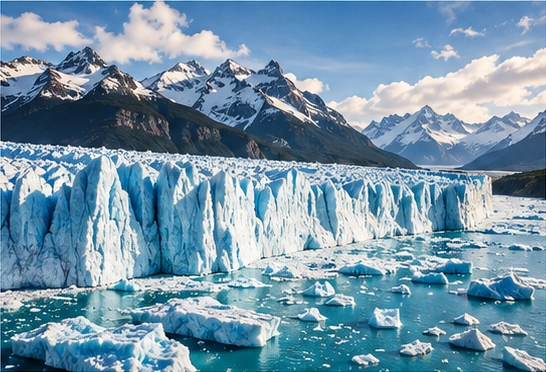
A sweeping new assessment from an international team of scientists finds that the planet is warming faster than previously estimated, with sharper increases in extreme heat, sea-level rise and ecological disruption across multiple regions.
The report, based on the latest satellite data, ocean measurements and climate modeling, underscores the urgent need for deeper emissions cuts and stronger adaptation strategies.
The science lead brings together ice measurements, ocean observations and records of extreme heat in an imagined research assessment. Agreement between independent methods matters because each observes a different part of the climate system. The diagrams reproduce a design concept and are not presented as a current scientific release.
The policy implications depend on where people and infrastructure are exposed. A port, a farming district and a dense urban neighbourhood need different responses even when they share the same broad trend. The article therefore connects global patterns with local vulnerability rather than suggesting that one adaptation plan fits every place.
Illustrated inaugural edition · Fictional editorial copy
Global surface temperature anomaly
vs. 1850–1900 average, °C
Global mean sea level rise
since 1993, mm
Climate-related disasters worldwide
Number per year
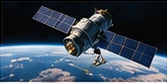
A next-generation fleet is giving scientists unprecedented data on ice loss, forest change and methane emissions.
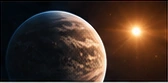
Astronomers report new signs of a potentially habitable world just 40 light-years away.
A new study links higher temperatures to rising respiratory risks and the spread of disease-bearing insects.
Warming waters and acidification are reshaping marine life, with cascading effects on fisheries and coastal communities.
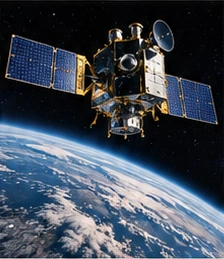
Next-generation satellites provide unprecedented detail on land, oceans and the atmosphere, helping scientists track a rapidly changing planet.
A new generation of Earth observation satellites is delivering a sharper, more comprehensive view of the planet, revealing faster changes in forests, ice, oceans and cities than previously recorded.
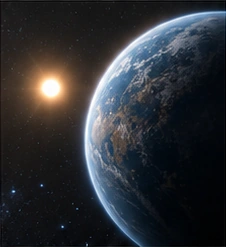
Astronomers report new evidence that an exoplanet in a nearby star system may have conditions suitable for liquid water.
Using data from the James Webb Space Telescope, researchers have detected a combination of gases in the atmosphere of a nearby exoplanet that could be consistent with a temperate, potentially habitable environment.
A major international study finds that reducing air pollution could prevent millions of premature deaths.

Temperatures in the deep ocean are rising faster than previously thought, with wide-ranging effects on marine life.
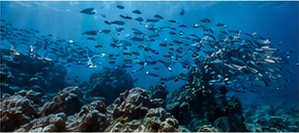
New research suggests some forests can recover faster when given protection.
3 min readRenewable power is now the lowest-cost electricity source in most regions.
3 min readFocused conservation efforts are helping reefs bounce back.
3 min readAn illustrated edition based on the supplied designs. Stories, people and figures are editorial examples; artwork is reproduced from the reference layouts.